Chronic Kidney Disease: The Silent Condition You Shouldn't Ignore
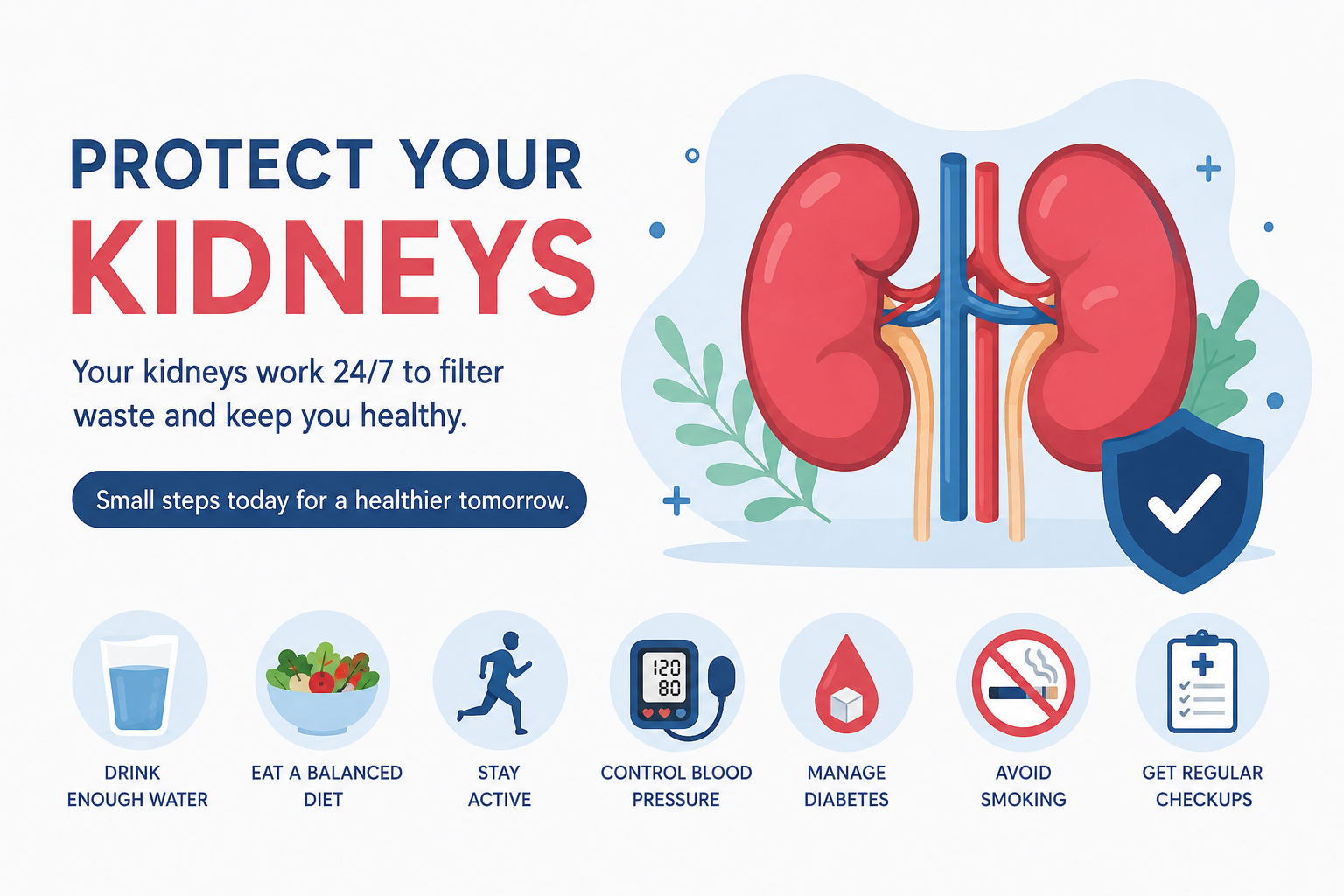
Most people don't think about their kidneys until something goes wrong. Yet these two bean-shaped organs quietly perform one of the most important jobs in your body every single day. They filter waste, remove excess fluids, balance minerals, regulate blood pressure, and even help produce red blood cells.
When the kidneys gradually lose their ability to function, it can lead to Chronic Kidney Disease (CKD)—a condition that often develops without noticeable symptoms in its early stages. That's why CKD is commonly known as the "silent disease."
The good news? Early detection and healthy lifestyle choices can make a significant difference.
What Is Chronic Kidney Disease?
Chronic Kidney Disease is a long-term condition in which the kidneys become damaged over time and are no longer able to filter blood as effectively as they should. Instead of removing waste and excess fluid, these substances begin to build up in the body.
CKD usually progresses slowly over months or years. While there is no cure for chronic kidney damage, early treatment can help slow or even prevent further loss of kidney function.
Who Is at Risk?
Anyone can develop CKD, but some people have a higher risk.
Common risk factors include:
High blood pressure
Diabetes
Heart disease
Obesity
Smoking
Family history of kidney disease
Being over the age of 60
Long-term use of certain pain medications
If you have one or more of these risk factors, regular health checkups are especially important.
Early Warning Signs
One of the biggest challenges with CKD is that symptoms often don't appear until significant kidney damage has already occurred.
As the disease progresses, you may notice:
Fatigue or weakness
Swelling in the feet, ankles, or hands
Changes in urination
Persistent itching
Muscle cramps
Difficulty concentrating
Nausea or loss of appetite
Shortness of breath
Because these symptoms can be caused by many conditions, proper medical evaluation is essential.
How Is CKD Diagnosed?
Healthcare providers can often detect kidney disease with simple tests, including:
Blood tests to measure kidney function
Urine tests to check for protein or blood
Blood pressure monitoring
Imaging tests such as ultrasound
In some cases, a kidney biopsy
Routine screening is especially important for people with diabetes or high blood pressure.
Can Chronic Kidney Disease Be Prevented?
While not every case can be prevented, many people can lower their risk by adopting healthy habits.
Here are a few simple ways to support kidney health:
✅ Control your blood pressure
✅ Manage diabetes carefully
✅ Stay physically active
✅ Eat a balanced, low-sodium diet
✅ Drink enough water
✅ Avoid smoking
✅ Limit unnecessary use of over-the-counter pain relievers
✅ Schedule regular health screenings
Small lifestyle changes today can have a lasting impact on your kidney health tomorrow.