What Is Considered High Blood Pressure? Understanding Hypertension and Its Risks
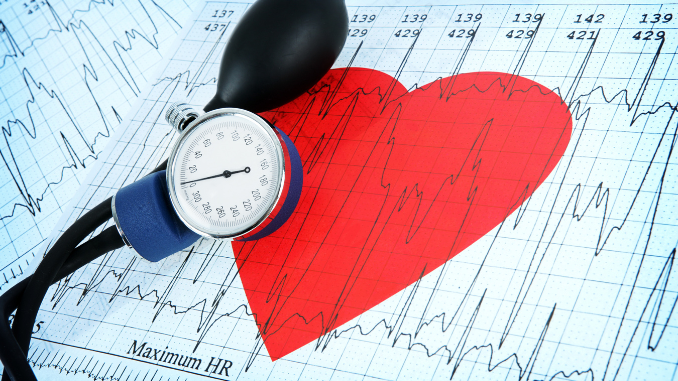
High blood pressure, also known as hypertension, is a common condition that affects millions of people worldwide. Often called the “silent killer,” hypertension may develop without noticeable symptoms, but it can cause serious health complications over time, including heart disease, stroke, and kidney problems.
Understanding what is considered high blood pressure is essential for early detection, prevention, and management. This guide will break down blood pressure measurements, risk factors, and what current research says about managing hypertension.
Blood Pressure Basics: Systolic vs. Diastolic
Blood pressure measures the force of blood pushing against the walls of your arteries. It is expressed as two numbers:
Systolic Pressure (Top Number) – The pressure when the heart beats and pumps blood
Diastolic Pressure (Bottom Number) – The pressure when the heart rests between beats
A typical blood pressure reading is written like this: 120/80 mmHg, where 120 represents systolic pressure and 80 represents diastolic pressure.
Factors That Influence Blood Pressure
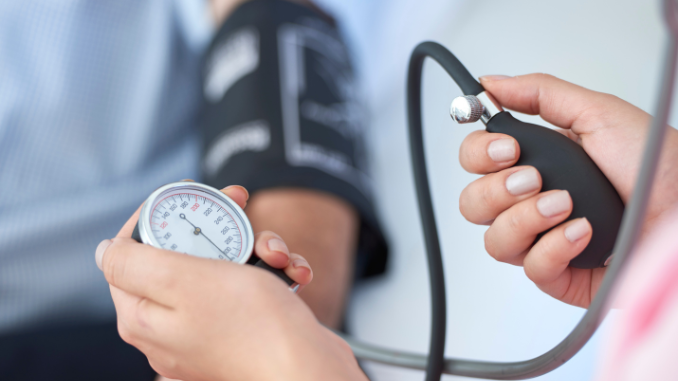
Blood pressure varies naturally due to many factors, but persistent elevation can lead to complications. Common contributors include:
Age: Blood vessels stiffen over time
Genetics: Family history of hypertension
Diet: High sodium intake, processed foods
Lifestyle: Physical inactivity, smoking, excessive alcohol
Medical Conditions: Diabetes, kidney disease, hormonal disorders
Stress: Chronic stress may temporarily raise blood pressure
Symptoms of High Blood Pressure
One of the challenges with hypertension is that it often has no obvious symptoms. Some people may experience:
Headaches
Dizziness
Shortness of breath
Nosebleeds (rare)
Because symptoms are unreliable, regular blood pressure monitoring is crucial.
Risks of Untreated High Blood Pressure
If left uncontrolled, high blood pressure can silently damage your organs:
Heart: Increases risk of heart attack, heart failure, and left ventricular hypertrophy
Brain: Raises risk of stroke and cognitive decline
Kidneys: Can lead to chronic kidney disease
Eyes: May cause hypertensive retinopathy and vision problems
How Is High Blood Pressure Diagnosed?
Doctors typically diagnose hypertension using multiple readings over time. Key steps include:
Regular blood pressure checks at home or in a clinic
Lifestyle evaluation (diet, exercise, stress)
Medical tests to rule out secondary causes, such as kidney or hormonal disorders
Early diagnosis is vital to prevent long-term complications.
Managing High Blood Pressure
Managing hypertension involves lifestyle changes, diet, and sometimes medications. Effective strategies include:
Healthy diet: Reduce sodium, increase fruits, vegetables, whole grains
Regular exercise: At least 150 minutes of moderate activity per week
Weight management: Maintain a healthy BMI
Limit alcohol and quit smoking
Stress management: Meditation, yoga, or counseling
Medications: Prescribed by a doctor if lifestyle changes are insufficient
The Role of Clinical Research
Clinical studies help improve understanding of what is considered high blood pressure and how to manage it effectively. Research investigates:
New medications and therapies
Personalized treatment approaches based on genetics and lifestyle
The impact of diet, exercise, and behavioral interventions
At Alliance Research Institute, clinical trials aim to develop safer, more effective treatments for hypertension and enhance cardiovascular health for diverse populations.
When to Seek Medical Attention
If your blood pressure is consistently above 180/120 mmHg or you experience severe symptoms like chest pain, shortness of breath, or neurological changes, seek emergency care immediately.
Regular monitoring and early intervention remain the best defense against the complications of high blood pressure.
Final Thoughts
Knowing what is considered high blood pressure empowers you to take proactive steps to protect your heart and overall health. Lifestyle changes, regular monitoring, and participation in clinical research can all help manage hypertension effectively.
By understanding your blood pressure numbers and working closely with healthcare professionals, you can reduce long-term risks and maintain a healthier life.