Celiac Disease Diet: A Complete Guide to Eating Gluten-Free

Introduction
Living with celiac disease can feel overwhelming at first—especially when it comes to food choices. A proper celiac disease diet is essential to managing symptoms, healing the gut, and improving overall health. The good news? With the right knowledge, maintaining a gluten-free lifestyle becomes much easier and more enjoyable.
What Is Celiac Disease?
Celiac disease is an autoimmune condition where the ingestion of gluten triggers an immune response that damages the small intestine. Gluten is a protein found in wheat, barley, and rye. Even small amounts can cause inflammation and interfere with nutrient absorption.
Why a Celiac Disease Diet Matters
Following a strict gluten-free diet is the only effective treatment for celiac disease. When gluten is removed from the diet, the intestine can begin to heal, symptoms improve, and the risk of complications decreases.
Foods to Avoid on a Celiac Disease Diet
To manage celiac disease, it’s important to completely eliminate gluten-containing foods, including:
Wheat (including whole wheat, white flour, and semolina)
Barley
Rye
Malt and malt-based products
Processed foods that may contain hidden gluten (such as sauces, dressings, and packaged snacks)
Always check food labels carefully, as gluten can be present in unexpected products.
Foods You Can Enjoy
A gluten-free diet still offers plenty of delicious and nutritious options, such as:
Fruits and vegetables
Lean proteins (chicken, fish, eggs)
Dairy products (if tolerated)
Gluten-free grains like rice, quinoa, and corn
Nuts and seeds
Many stores now also offer certified gluten-free products, making it easier than ever to find safe alternatives.
Tips for Maintaining a Gluten-Free Lifestyle
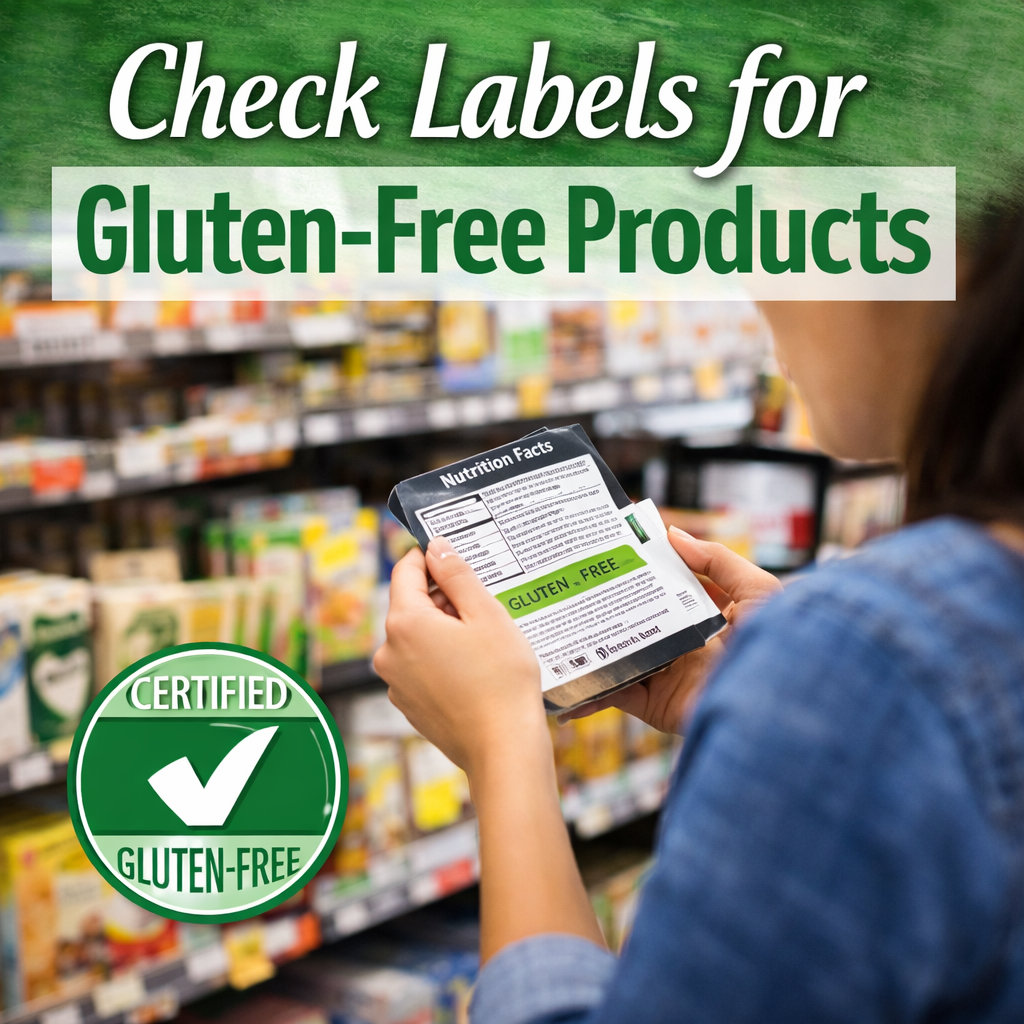
Adapting to a celiac disease diet takes time, but these tips can help:
Read labels carefully: Look for certified gluten-free labels
Avoid cross-contamination: Use separate utensils and cookware if needed
Plan meals ahead: This reduces the risk of accidental gluten exposure
Communicate when dining out: Ask about ingredients and food preparation methods
Common Challenges and How to Overcome Them
Many people struggle with hidden gluten and social situations. The key is education and preparation. Learning how to identify safe foods and advocating for your dietary needs can make a big difference.
When to Seek Medical Guidance
If symptoms persist despite following a gluten-free diet, it’s important to consult a healthcare provider. Ongoing symptoms may indicate accidental gluten exposure or other underlying conditions.
Conclusion
A celiac disease diet is more than just avoiding gluten—it’s about creating a sustainable, healthy lifestyle that supports your well-being. With the right approach, you can enjoy a wide variety of foods while protecting your digestive health.