Celiac Disease Diet: What to Eat and What to Avoid
Living with celiac disease requires careful attention to what you eat every day. The celiac disease diet is the only effective treatment for managing symptoms and protecting long-term health. By removing gluten completely from your meals, people with celiac disease can allow their small intestine to heal and prevent serious complications.
In this guide, we’ll explore what a celiac disease diet includes, which foods are safe, which foods to avoid, and practical tips to maintain a healthy gluten-free lifestyle.
What Is Celiac Disease?
Celiac disease is an autoimmune condition in which the body reacts negatively to gluten, a protein found in wheat, barley, and rye. When someone with celiac disease consumes gluten, their immune system attacks the lining of the small intestine.
This damage can lead to symptoms such as:
Digestive discomfort
Bloating and gas
Chronic diarrhea or constipation
Fatigue
Weight loss
Nutrient deficiencies
Following a strict celiac disease diet helps prevent this immune response and supports healing.
What Is a Celiac Disease Diet?
A celiac disease diet is a strict gluten-free diet that eliminates all foods containing gluten. Gluten is commonly found in wheat-based products, processed foods, and many packaged items.
The goal of the diet is to:
Prevent intestinal damage
Reduce symptoms
Improve nutrient absorption
Promote overall health and wellness
Even small amounts of gluten can trigger symptoms in individuals with celiac disease, which is why careful food selection is essential.
Foods to Eat on a Celiac Disease Diet
Fortunately, many naturally gluten-free foods can be safely enjoyed.
Fruits and Vegetables
Fresh fruits and vegetables are naturally gluten-free and packed with essential nutrients.
Examples include:
Apples
Bananas
Spinach
Broccoli
Carrots
Berries
Protein Sources
Lean protein is an important part of a balanced celiac disease diet.
Safe options include:
Fresh poultry
Fish and seafood
Eggs
Beans and legumes
Tofu
Gluten-Free Grains
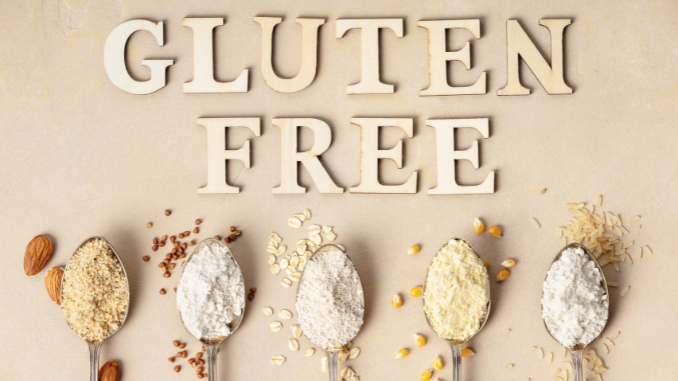
People with celiac disease can still enjoy many grains as long as they are gluten-free.
Examples include:
Rice
Quinoa
Corn
Buckwheat
Millet
Gluten-free oats (certified)
Dairy Products
Most dairy products are safe unless gluten-containing additives are present.
Examples:
Milk
Cheese
Yogurt
Butter
Foods to Avoid on a Celiac Disease Diet
To follow a proper celiac disease diet, you must avoid foods that contain gluten.
Grains That Contain Gluten
Avoid foods made with:
Wheat
Barley
Rye
Triticale
Regular oats (unless certified gluten-free)
Common Gluten-Containing Foods
Many everyday foods contain hidden gluten, including:
Bread and pasta
Cereals
Baked goods
Crackers
Beer
Certain sauces and gravies
Processed snacks
Always read labels carefully to ensure products are gluten-free.
Tips for Following a Celiac Disease Diet
Adopting a celiac disease diet can feel overwhelming at first, but these tips can help make the transition easier.
Read Food Labels Carefully
Look for certified gluten-free labels and check ingredient lists for hidden gluten sources.
Avoid Cross-Contamination
Even gluten-free foods can become contaminated if they come into contact with gluten-containing foods. Use separate cookware, cutting boards, and toasters when possible.
Plan Meals Ahead
Meal planning helps ensure you always have safe gluten-free foods available.
Work With a Healthcare Professional
A registered dietitian can help ensure your celiac disease diet meets your nutritional needs.
Health Benefits of a Celiac Disease Diet
Following a strict celiac disease diet can lead to significant improvements in health.
Benefits include:
Improved digestion
Increased energy levels
Healing of the small intestine
Reduced inflammation
Better nutrient absorption
Most people begin to feel better within weeks of starting a gluten-free diet.
When to Talk to a Doctor
If you suspect you may have celiac disease, it’s important to consult a healthcare professional before starting a gluten-free diet. Proper testing and diagnosis help ensure accurate treatment and long-term health management.
Final Thoughts
A celiac disease diet is essential for managing celiac disease and maintaining a healthy lifestyle. By eliminating gluten and focusing on naturally gluten-free foods, individuals with celiac disease can protect their digestive health and improve their overall quality of life.
With careful planning, label reading, and support from healthcare professionals, following a celiac disease diet can become a sustainable and rewarding way to live.