Crohn’s vs. Ulcerative Colitis Symptoms: What’s the Difference?
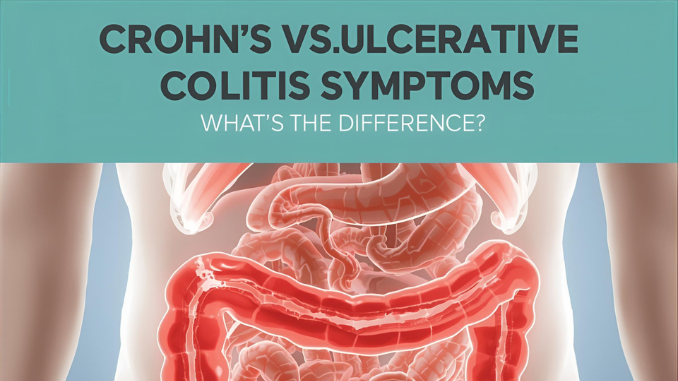
Digestive issues like abdominal pain, diarrhea, or sudden urgency can be confusing — especially when they become persistent. Two common conditions that cause these symptoms are Crohn’s disease and Ulcerative colitis, both part of a group of illnesses known as Inflammatory Bowel Disease (IBD).
Although they share similarities, these conditions affect the digestive system differently. Knowing how their symptoms differ is an important step toward getting the right diagnosis and treatment.
What Is Crohn’s Disease?

Crohn’s disease is a chronic inflammatory condition that can occur anywhere in the digestive tract, from the mouth to the anus. The inflammation usually appears in patchy segments and can penetrate deep into the layers of the intestinal wall.
Common Symptoms of Crohn’s Disease
Persistent abdominal pain or cramping
Chronic diarrhea
Unintended weight loss
Fatigue or low energy
Reduced appetite or nausea
Fever
Mouth sores
Pain, swelling, or sores around the anus (fissures, fistulas, or abscesses)
Because Crohn’s can affect multiple areas, symptoms vary widely among patients.
What Is Ulcerative Colitis?

Ulcerative colitis (UC) is a chronic condition that causes continuous inflammation in the colon and rectum only. Unlike Crohn’s, the inflammation is limited to the surface layer of the colon lining.
Common Symptoms of Ulcerative Colitis
Frequent diarrhea, often mixed with blood or mucus
Lower abdominal pain or cramping
Urgency to use the bathroom
Rectal bleeding
Fatigue
Unintended weight loss
A sensation of incomplete bowel movement (tenesmus)
Symptoms of UC often come in waves, with flare-ups followed by periods of remission.
How to Tell the Difference: Symptoms Compared
Though both conditions cause inflammation, they differ in important ways:
1. Location of Symptoms
Crohn’s disease: Can affect any part of the digestive tract.
Ulcerative colitis: Affects only the colon and rectum.
2. Type of Inflammation
Crohn’s: Patchy areas of inflammation that may penetrate deep into the intestinal wall.
UC: Continuous inflammation limited to the inner lining of the colon.
3. Nature of Diarrhea
Crohn’s: Diarrhea is common but may or may not include blood.
UC: Diarrhea is frequent and often bloody.
4. Abdominal Pain
Crohn’s: Can be severe and may occur anywhere in the abdomen.
UC: More commonly felt in the lower abdomen.
5. Additional Symptoms
Crohn’s: Mouth sores and anal complications are more common.
UC: Rectal bleeding and urgency are more prominent.
When to Seek Medical Help
If you notice any of the following, it’s important to speak with a healthcare provider:
Diarrhea lasting more than a few days
Blood in your stool
Severe or persistent abdominal pain
Unexplained weight loss
Fever alongside digestive symptoms
Constant fatigue
Frequent or urgent bowel movements
Early diagnosis helps prevent complications and improves long-term quality of life.
Why Understanding the Difference Matters
Crohn’s disease and ulcerative colitis require different monitoring and treatment approaches. Recognizing their symptoms early allows providers to:
Create accurate treatment plans
Prevent complications
Manage flare-ups more effectively
Help patients maintain a better quality of life
Final Thoughts
Crohn’s disease and ulcerative colitis can significantly affect daily life, but understanding their unique symptoms can help patients take the first step toward managing their health. With the right diagnosis and treatment, many people living with IBD can lead full, active, and healthy lives.