Understanding Vertebrogenic Low Back Pain: Causes, Symptoms, and Treatments

Low back pain is a common complaint, but not all back pain is the same. One specific type, vertebrogenic low back pain, arises directly from the vertebral structures of the spine. Understanding this condition is essential for proper management and long-term spine health.
What is Vertebrogenic Low Back Pain?
Vertebrogenic low back pain refers to pain that originates from the vertebrae themselves, often due to degeneration, fractures, or inflammation of the spinal bones. Unlike muscle strain or nerve-related pain, vertebrogenic pain is directly tied to the vertebral bodies.
Common Causes
Degenerative Disc Disease: As spinal discs wear down over time, the vertebrae can become stressed, leading to pain.
Osteoarthritis: Joint degeneration in the spine can contribute to vertebrogenic pain.
Compression Fractures: Often due to osteoporosis, these fractures can directly cause vertebral pain.
Spinal Trauma or Injury: Accidents or heavy lifting injuries may damage vertebrae, causing vertebrogenic pain.
Symptoms to Watch For
The symptoms of vertebrogenic low back pain can overlap with other types of back pain, but common signs include:
Persistent pain localized in the lower back
Pain that worsens with standing, walking, or lifting
Reduced flexibility or stiffness in the lower spine
Pain that may radiate slightly but is mostly centered on the vertebrae
Unlike nerve-related pain (like sciatica), vertebrogenic pain often does not involve numbness or tingling in the legs.
Diagnosis
A proper diagnosis typically involves:

Medical History and Physical Exam: To assess pain patterns and mobility.
Imaging Tests: X-rays, MRI, or CT scans can reveal vertebral degeneration, fractures, or inflammation.
Diagnostic Injections: In some cases, anesthetic injections help pinpoint the source of pain.
Treatment Options
Managing vertebrogenic low back pain often requires a combination of approaches:
1. Conservative Treatments
Physical Therapy: Strengthening core muscles and improving flexibility can reduce vertebral stress.
Pain Medications: Non-steroidal anti-inflammatory drugs (NSAIDs) or other analgesics may help.
Activity Modification: Avoiding heavy lifting or prolonged sitting may prevent pain flare-ups.
2. Minimally Invasive Procedures
Vertebroplasty or Kyphoplasty: Used for compression fractures to stabilize vertebrae.
Radiofrequency Ablation: Targets nerves around the vertebrae to reduce pain signals.
3. Lifestyle and Preventive Measures
Regular Exercise: Focus on core strength and low-impact activities.
Healthy Weight: Reducing stress on the spine can help prevent degeneration.
Calcium and Vitamin D: Support bone health to prevent fractures.
When to See a Specialist
If low back pain persists for more than a few weeks, worsens, or is accompanied by other symptoms like leg weakness or bowel/bladder issues, it’s crucial to see a spine specialist. Early intervention can prevent further degeneration and improve quality of life.
Conclusion
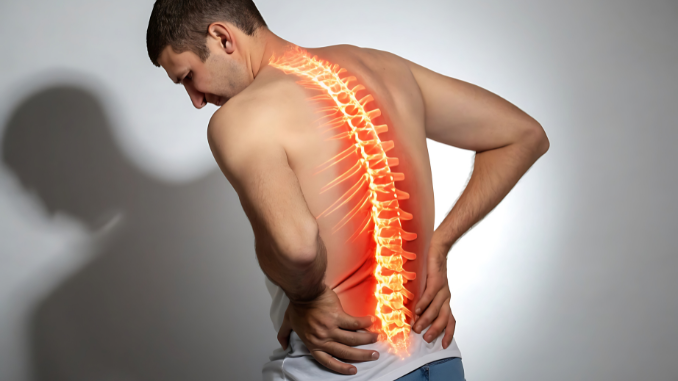
Vertebrogenic low back pain is a specific spinal condition that requires proper identification and management. Understanding its causes, symptoms, and treatment options empowers patients to take proactive steps toward a healthier spine. Early diagnosis, lifestyle changes, and guided medical care are key to reducing pain and improving mobility.