What Does a Diabetic Foot Ulcer Look Like?

For people living with diabetes, even a small wound on the foot can become a serious concern if left untreated. Recognizing what a diabetic foot ulcer looks like—especially in its early stages—can make a critical difference in preventing complications and promoting faster healing.
What is a Diabetic Foot Ulcer?
A diabetic foot ulcer is an open sore or wound that typically forms on the bottom of the foot. It develops due to a combination of poor circulation and nerve damage (neuropathy), which reduces the ability to feel pain or notice injuries.
Early Signs: What to Watch For
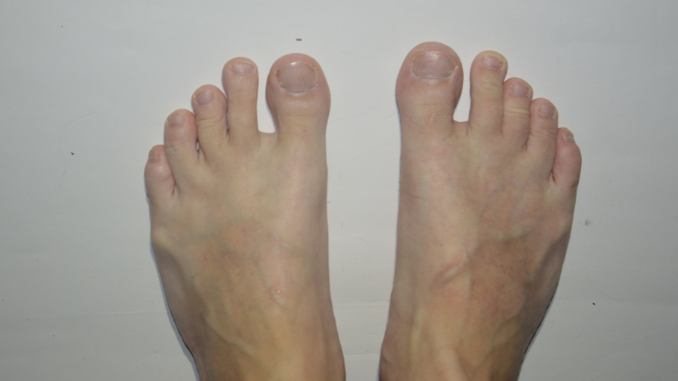
In its early stage, a diabetic foot ulcer may not look severe, which is why it’s often overlooked. Common early signs include:
A small red or darkened spot on the skin
Dry, cracked, or callused skin
Mild swelling or warmth in the area
Drainage or fluid on socks or shoes
Slight discomfort—or no pain at all
At this stage, the skin may still be intact or just beginning to break down.
As It Progresses
If not treated early, the ulcer can worsen and become more noticeable:
An open sore with visible tissue underneath
A round or irregular-shaped wound
Yellow, white, or even black tissue (a sign of dead skin)
Foul odor coming from the wound
Increased redness or swelling around the area
The deeper the ulcer goes, the higher the risk of infection.
Common Locations
Diabetic foot ulcers usually appear in areas that experience pressure or friction, such as:
The bottom of the foot (especially the ball or heel)
The sides of the foot
The toes or between toes
Warning Signs of Infection
Seek medical attention immediately if you notice:
Pus or unusual discharge
Severe swelling or redness spreading outward
Fever or chills
Increased pain or tenderness
Blackened tissue around the wound
These could indicate a serious infection that requires urgent care.
Why Early Detection Matters
Because nerve damage can reduce sensation, many people don’t feel pain from a developing ulcer. This makes regular foot checks essential. Catching an ulcer early can:
Prevent infection
Reduce the need for surgery
Improve healing outcomes
Lower the risk of complications
Basic Prevention Tips
To reduce the risk of developing ulcers:
Inspect your feet daily
Keep feet clean and moisturized (but not between toes)
Wear properly fitting shoes
Avoid walking barefoot
Manage blood sugar levels effectively
Final Thoughts
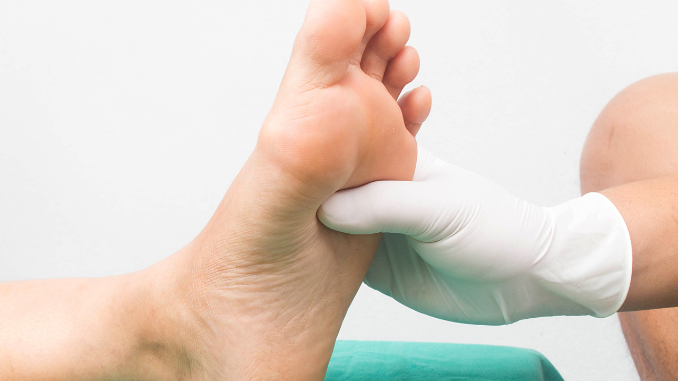
A diabetic foot ulcer may start small, but it can quickly become serious without proper care. Knowing what to look for—especially in the early stages—can help you take action before complications arise.
If you notice any unusual changes in your feet, don’t ignore them. Early intervention is one of the most effective ways to protect your health and mobility.