Understanding Thyroid Eye Disease: Symptoms, Causes, and Treatment Options

Thyroid Eye Disease (TED), also known as Graves’ orbitopathy, is a complex autoimmune condition that affects the eyes. It is most commonly associated with thyroid disorders, particularly hyperthyroidism. While it can be uncomfortable and sometimes alarming, understanding TED can help patients recognize symptoms early and seek appropriate care.
What is Thyroid Eye Disease?
Thyroid Eye Disease occurs when the body’s immune system mistakenly attacks the muscles and tissues around the eyes. This leads to inflammation, swelling, and changes in the appearance and function of the eyes.
TED typically develops in people with thyroid conditions such as Graves’ disease, but it can also occur in individuals with normal thyroid levels.
Common Symptoms
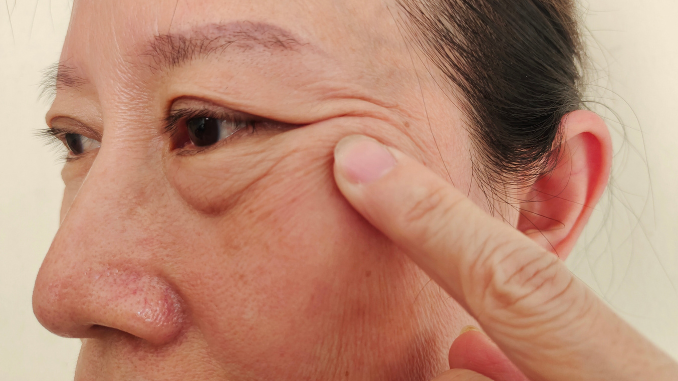
Symptoms of Thyroid Eye Disease can range from mild to severe and may include:
Dry, irritated, or watery eyes
Redness and inflammation
Swelling around the eyes
Bulging eyes (proptosis)
Double vision
Light sensitivity
Difficulty closing the eyes fully
In more severe cases, TED can affect vision and may require urgent medical attention.
What Causes Thyroid Eye Disease?
TED is an autoimmune disorder, meaning the immune system attacks healthy tissue. The exact cause isn’t fully understood, but several factors can increase the risk:
Thyroid dysfunction (especially hyperthyroidism)
Smoking (a major risk factor)
Genetic predisposition
Stress and environmental triggers
Stages of Thyroid Eye Disease
TED generally progresses in two phases:
Active Phase
Inflammation and symptoms worsen
Can last from several months to a few years
Inactive Phase
Inflammation decreases
Symptoms stabilize, but some changes may remain
Diagnosis
Doctors diagnose TED through a combination of:
Medical history and symptom review
Eye examinations
Imaging tests (CT or MRI scans)
Thyroid function tests
Early diagnosis is key to managing the disease effectively.
Treatment Options
Treatment depends on the severity and stage of the disease. Options may include:
1. Lifestyle Changes
Quit smoking
Use lubricating eye drops
Wear sunglasses for light sensitivity
2. Medications
Anti-inflammatory drugs (like corticosteroids)
Immunosuppressive therapies
Targeted biologic treatments
3. Supportive Therapies
Prism glasses for double vision
Selenium supplements (in mild cases, as advised by a doctor)
4. Surgical Options
For advanced cases, surgery may be needed to:
Relieve pressure in the eye socket
Correct eyelid position
Improve eye alignment
Living with Thyroid Eye Disease
Managing TED involves regular monitoring and a multidisciplinary approach, often including endocrinologists and ophthalmologists. While the condition can impact daily life, many patients successfully manage symptoms with proper care and treatment.
When to Seek Medical Help
You should consult a healthcare provider if you experience:
Sudden vision changes
Severe eye pain
Increased swelling or redness
Difficulty seeing clearly
Early intervention can prevent complications and improve outcomes.