High Blood Pressure Diet: What Really Works
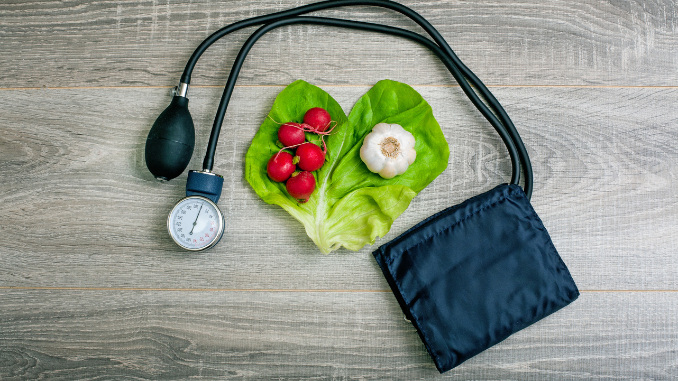
A well-planned high blood pressure diet is one of the most effective and natural ways to manage hypertension and reduce the risk of serious heart-related complications. While medications play an important role for many people, research consistently shows that what you eat every day can significantly influence your blood pressure levels.
At Alliance Research Institute, dietary habits are recognized as a critical factor in cardiovascular health and ongoing clinical research related to high blood pressure.
Why Diet Matters for High Blood Pressure
High blood pressure develops when arteries become less flexible and blood flow faces increased resistance. Certain foods can worsen this process by increasing sodium levels, promoting inflammation, or contributing to weight gain. On the other hand, a heart-healthy diet can:
Lower systolic and diastolic blood pressure
Improve blood vessel function
Reduce cholesterol levels
Support healthy body weight
Decrease the need for higher medication doses
A consistent, balanced diet helps control blood pressure over time rather than offering temporary results.
Key Principles of an Effective High Blood Pressure Diet
Instead of focusing on short-term restrictions, a successful high blood pressure diet emphasizes long-term, sustainable eating habits.
1. Reduce Sodium Intake
Excess sodium causes the body to retain fluid, increasing pressure on blood vessel walls. Most sodium comes from processed and packaged foods, not the salt shaker.
Tips to reduce sodium:
Choose fresh or minimally processed foods
Read nutrition labels carefully
Use herbs and spices instead of salt
Limit fast food and packaged meals
2. Eat More Fruits and Vegetables
Fruits and vegetables are rich in potassium, magnesium, fiber, and antioxidants—nutrients that help relax blood vessels and counteract sodium.
Best choices include:
Leafy greens (spinach, kale)
Bananas, oranges, and berries
Sweet potatoes
Tomatoes and avocados
Aim to fill at least half your plate with fruits and vegetables at each meal.
3. Choose Whole Grains Over Refined Grains
Whole grains contain fiber and essential nutrients that help regulate blood pressure and improve heart health.
Healthy options:
Brown rice
Oats
Whole wheat bread
Quinoa
Fiber-rich foods also help maintain stable blood sugar and support weight management.
4. Focus on Lean Proteins
Protein is essential, but the source matters. Lean proteins support muscle health without adding excess saturated fat.
Heart-healthy protein sources:
Fish (especially salmon, tuna, sardines)
Skinless poultry
Beans and lentils
Low-fat dairy products
Fatty fish are particularly beneficial due to their omega-3 fatty acids, which support cardiovascular health.
5. Limit Saturated and Trans Fats
Diets high in unhealthy fats can raise cholesterol levels and increase blood pressure-related risks.
Limit or avoid:
Fried foods
Processed meats
Full-fat dairy
Baked goods with trans fats
Replace them with healthier fats such as olive oil, nuts, seeds, and avocados.
The DASH Diet and High Blood Pressure
One of the most researched dietary approaches for hypertension is the DASH (Dietary Approaches to Stop Hypertension) diet. Clinical studies show that DASH can lower blood pressure in as little as a few weeks.
The DASH diet emphasizes:
Fruits and vegetables
Whole grains
Low-fat dairy
Lean proteins
Limited sodium and added sugars
This eating pattern aligns closely with current cardiovascular research and guidelines.
Foods to Limit on a High Blood Pressure Diet
Even healthy diets can be undermined by frequent consumption of certain foods. These should be limited:
Salty snacks and chips
Canned soups with added sodium
Sugary beverages
Alcohol (especially in excess)
Processed and cured meats
Reducing these foods can lead to noticeable improvements in blood pressure control.
Can Diet Replace Blood Pressure Medication?
For some individuals with mild hypertension, dietary changes alone may significantly lower blood pressure. However, many people require a combination of diet, lifestyle changes, and medication.
Clinical research continues to explore how dietary interventions can:
Enhance medication effectiveness
Reduce medication side effects
Delay the progression of hypertension
Always consult a healthcare professional before making changes to prescribed treatments.
The Role of Clinical Research in Diet and Hypertension
Ongoing clinical research helps identify how different diets affect blood pressure across diverse populations. Factors such as genetics, metabolism, age, and existing health conditions all influence dietary response.
At Alliance Research Institute, cardiovascular research aims to improve understanding of how nutrition, lifestyle, and emerging treatments work together to manage high blood pressure more effectively.
Simple Daily Tips for Success
Maintaining a high blood pressure diet doesn’t have to be complicated:
Plan meals ahead of time
Cook at home more often
Drink plenty of water
Practice portion control
Stay consistent rather than perfect
Small changes made consistently can lead to meaningful improvements in blood pressure and overall heart health.
Final Thoughts
A well-balanced high blood pressure diet is a powerful tool for protecting your heart and improving long-term health. By reducing sodium, choosing nutrient-rich foods, and following evidence-based dietary patterns, individuals can take control of their blood pressure and reduce cardiovascular risks.
Combined with ongoing clinical research and medical guidance, diet remains one of the most effective ways to manage high blood pressure and support a healthier future.