What Causes High Cholesterol? Understanding the Risks and Prevention
High cholesterol is a common health concern that can silently increase the risk of heart disease, stroke, and other cardiovascular problems. Understanding what causes high cholesterol is essential for prevention, early detection, and management.
At Alliance Research Institute, we focus on educating patients about cardiovascular risk factors, including high cholesterol, and promoting lifestyle changes backed by clinical research.
What Is Cholesterol?
Cholesterol is a waxy, fat-like substance found in your blood. Your body needs cholesterol to:
Build cell membranes
Produce hormones
Support vitamin D synthesis
Aid in digestion (through bile acids)
However, too much cholesterol, especially LDL (“bad” cholesterol), can lead to plaque buildup in arteries, narrowing them and increasing the risk of heart attack or stroke.
Types of Cholesterol
Cholesterol travels through the bloodstream via lipoproteins. The main types include:
LDL (Low-Density Lipoprotein): Often called “bad” cholesterol because it contributes to plaque buildup in arteries.
HDL (High-Density Lipoprotein): Known as “good” cholesterol because it helps remove excess cholesterol from the bloodstream.
Triglycerides: A type of fat in the blood; high levels are linked to increased heart disease risk.
Common Causes of High Cholesterol
High cholesterol can result from a combination of genetic, lifestyle, and medical factors. Key causes include:
1. Unhealthy Diet
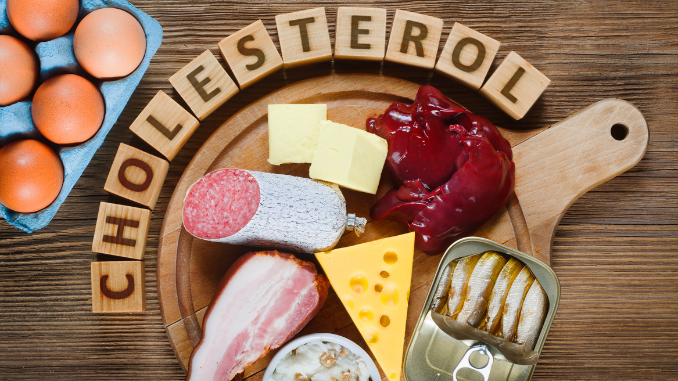
Eating saturated fats (red meat, full-fat dairy)
Trans fats (found in fried and processed foods)
High intake of sugar and refined carbs
These dietary habits increase LDL cholesterol and triglycerides while lowering HDL cholesterol.
2. Lack of Physical Activity
Sedentary lifestyle contributes to weight gain
Physical inactivity lowers HDL (“good”) cholesterol
3. Obesity
Excess body weight, especially around the abdomen, is linked to higher LDL and triglycerides and lower HDL.
4. Smoking
Tobacco use damages blood vessels, lowers HDL cholesterol, and increases plaque buildup.
5. Genetics
Familial hypercholesterolemia is a genetic condition that causes very high LDL cholesterol from a young age.
Family history of heart disease can increase risk.
6. Age and Gender
Cholesterol levels naturally rise with age.
Men are at higher risk at younger ages, while women’s risk increases after menopause.
7. Medical Conditions
Certain conditions can contribute to high cholesterol, such as:
Diabetes
Hypothyroidism (low thyroid function)
Kidney disease
Liver disease
Symptoms of High Cholesterol
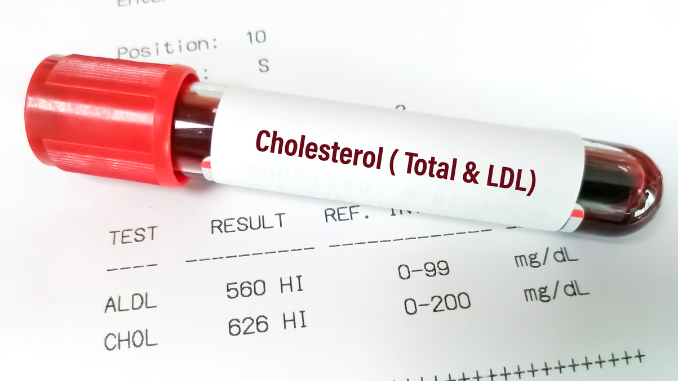
High cholesterol is often silent, meaning it doesn’t show noticeable symptoms until complications arise. Severe cases may lead to:
Chest pain (angina)
Heart attack
Stroke
Peripheral artery disease
Because of this, regular cholesterol screening is essential, especially if you have risk factors.
How to Prevent and Manage High Cholesterol
1. Heart-Healthy Diet
Emphasize fruits, vegetables, whole grains, and lean proteins
Limit saturated fats, trans fats, and added sugars
Include healthy fats from olive oil, nuts, and avocados
2. Regular Exercise
At least 150 minutes of moderate-intensity aerobic activity per week
Strength training 2–3 times a week
3. Maintain a Healthy Weight
Even modest weight loss can significantly improve cholesterol levels
4. Avoid Tobacco and Limit Alcohol
Quit smoking to increase HDL cholesterol
Limit alcohol intake to recommended guidelines
5. Medications When Necessary
Statins, PCSK9 inhibitors, and other lipid-lowering drugs may be prescribed for high-risk individuals
Always follow a doctor’s guidance for long-term management
The Role of Clinical Research
Clinical research helps identify new treatments, diet plans, and medications to manage high cholesterol. At Alliance Research Institute, ongoing studies explore:
Genetic factors influencing cholesterol
Effects of diet and exercise interventions
Innovative drug therapies to reduce cardiovascular risk
Participating in research may offer access to advanced treatments and personalized care strategies.
Final Thoughts
High cholesterol is a silent but significant risk factor for heart disease. Understanding what causes high cholesterol—from diet and lifestyle to genetics—empowers you to take preventive steps.
By combining a healthy diet, regular exercise, medical guidance, and research-based interventions, you can manage cholesterol effectively and protect your heart for years to come.