Irregular Periods After Pregnancy: What’s Normal and When to Worry
Many women expect their menstrual cycle to return to normal shortly after giving birth. However, irregular periods after pregnancy are very common and can raise questions or concerns—especially for first-time mothers.
Understanding why your cycle may be unpredictable after childbirth can help ease anxiety and guide you on when medical attention may be needed.
What Are Irregular Periods After Pregnancy?
Irregular periods after pregnancy refer to changes in the timing, flow, or consistency of menstrual cycles once they resume postpartum. Some women may experience delayed periods, heavier bleeding, lighter spotting, or cycles that vary from month to month.
This is usually a normal part of the body’s hormonal adjustment after pregnancy.
When Do Periods Return After Pregnancy?
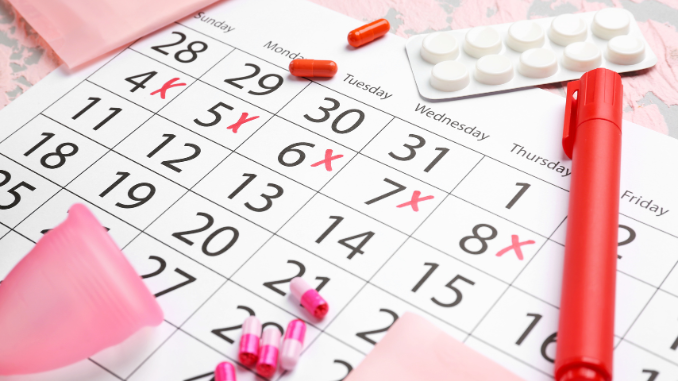
The return of menstruation varies from woman to woman and depends on several factors, including breastfeeding.
Non-breastfeeding mothers: Periods may return within 6–10 weeks after delivery
Breastfeeding mothers: Periods may be delayed for several months due to prolactin levels suppressing ovulation
Even after your first period returns, cycles may remain irregular for some time.
Causes of Irregular Periods After Pregnancy
Several factors contribute to postpartum menstrual irregularities:
1. Hormonal Changes
After childbirth, estrogen and progesterone levels fluctuate as the body adjusts, which can disrupt ovulation.
2. Breastfeeding
Prolactin, the hormone responsible for milk production, can delay ovulation and menstruation.
3. Physical and Emotional Stress
Sleep deprivation, stress, and physical recovery after labor can affect cycle regularity.
4. Thyroid Changes
Postpartum thyroid dysfunction can lead to missed or irregular periods in some women.
What Is Considered Normal?
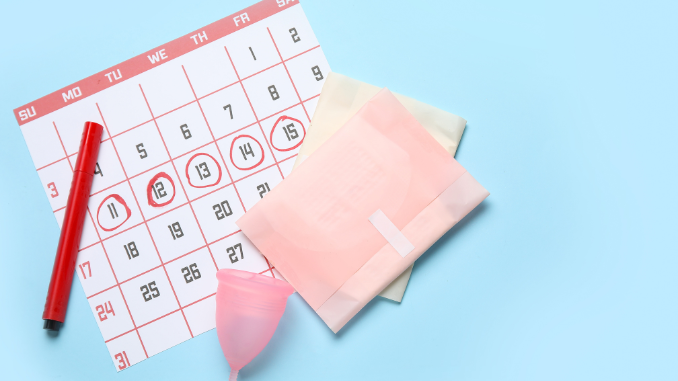
Irregular periods after pregnancy are generally normal during the first 6 to 12 months postpartum. Common normal changes include:
Longer or shorter cycles
Heavier or lighter bleeding
Skipped months
These usually stabilize over time as hormones rebalance.
When Should You See a Doctor?
You should consult a healthcare provider if you experience:
No period more than 12 months after childbirth (and not breastfeeding)
Extremely heavy bleeding or clots
Severe pelvic pain or cramping
Symptoms of thyroid imbalance such as fatigue or weight changes
Early evaluation can help rule out underlying conditions.
Tips to Support Hormonal Balance After Pregnancy
While your body heals naturally, these steps may help regulate your cycle:
Eat a nutrient-rich, balanced diet
Stay hydrated
Manage stress levels
Prioritize rest and sleep
Attend postpartum checkups
Medical guidance may be recommended if symptoms persist.
Final Thoughts
Irregular periods after pregnancy are a common and usually temporary experience. Hormonal shifts, breastfeeding, and postpartum recovery all play a role in cycle changes. With time, most women see their menstrual cycle return to a regular pattern.
Being informed about what’s normal—and when to seek help—can make the postpartum journey healthier and less stressful.