Postpartum Hair Loss: Causes, Timeline, and Effective Ways to Regrow Hair
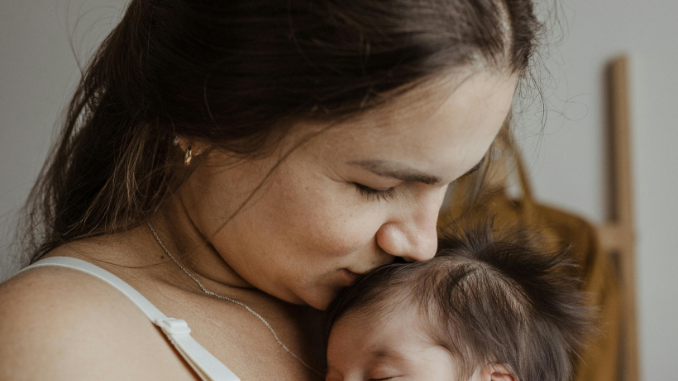
Postpartum hair loss is a common concern for many new mothers. If you’re noticing excessive hair shedding after giving birth, you’re not alone. While it can feel alarming, postpartum hair loss is usually temporary and part of the body’s natural recovery process after pregnancy.
In this blog, we’ll explain what postpartum hair loss is, why it happens, how long it lasts, and what you can do to support healthy hair regrowth.
What Is Postpartum Hair Loss?
Postpartum hair loss, also known as postpartum alopecia, refers to excessive hair shedding that typically occurs a few months after childbirth. During pregnancy, hormonal changes cause hair to remain in the growth phase longer, resulting in thicker, fuller hair. After delivery, hormone levels shift back to normal, causing the extra hair to shed all at once.
This shedding can feel sudden and dramatic, but it’s a normal physiological response.
What Causes Postpartum Hair Loss?
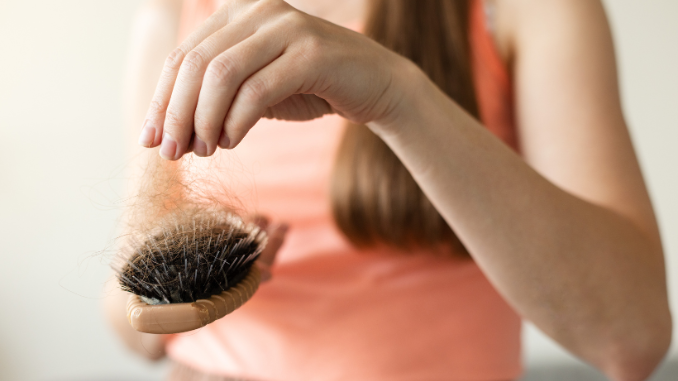
The primary cause of postpartum hair loss is hormonal fluctuation, particularly the drop in estrogen levels after delivery. However, other contributing factors may include:
Physical stress from labor and delivery
Nutrient deficiencies (such as iron, vitamin D, or protein)
Lack of sleep and fatigue
Emotional stress and postpartum mood changes
Thyroid imbalances (in some cases)
These factors can amplify hair shedding during the postpartum period.
When Does Postpartum Hair Loss Start?
Postpartum hair loss usually begins 2 to 4 months after childbirth. Many women are surprised because the hair loss doesn’t start immediately after delivery. Shedding often peaks around 4 to 6 months postpartum and gradually improves afterward.
How Long Does Postpartum Hair Loss Last?
For most women, postpartum hair loss is temporary. Hair shedding typically slows down by 6 to 12 months postpartum, and normal hair growth resumes. By the baby’s first birthday, many women notice their hair returning to its usual fullness.
If hair loss continues beyond one year or is accompanied by other symptoms such as extreme fatigue or weight changes, it’s important to consult a healthcare provider.
Is Postpartum Hair Loss Normal?
Yes, postpartum hair loss is very common. Studies suggest that up to 50% of women experience noticeable hair shedding after pregnancy. While it may feel distressing, it does not usually indicate permanent hair loss or baldness.
How to Manage and Reduce Postpartum Hair Loss
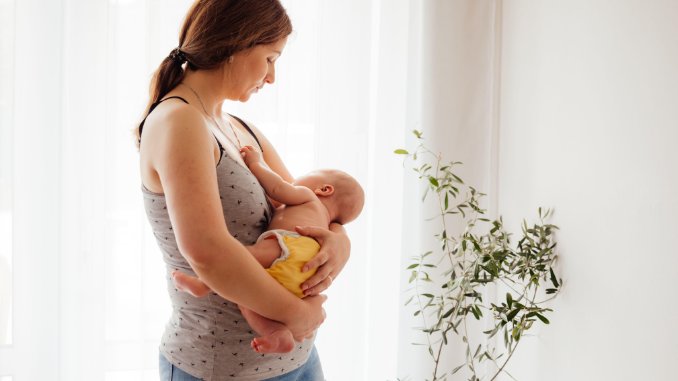
Although you can’t completely prevent postpartum hair loss, there are steps you can take to support hair health and minimize shedding:
1. Maintain a Balanced Diet
Eating nutrient-rich foods with adequate protein, iron, zinc, and vitamins supports healthy hair growth.
2. Be Gentle With Your Hair
Avoid tight hairstyles, harsh brushing, and excessive heat styling, which can increase breakage.
3. Use Volumizing Hair Products
Lightweight, volumizing shampoos can help hair appear fuller and reduce stress on the scalp.
4. Manage Stress and Get Rest
Chronic stress and lack of sleep can worsen hair shedding. Prioritize rest when possible.
5. Consider Medical Advice
If hair loss is severe or prolonged, a healthcare provider may check for underlying issues such as thyroid disorders or nutritional deficiencies.
When to See a Doctor
You should seek medical advice if:
Hair loss lasts longer than 12 months postpartum
You notice bald patches or thinning in specific areas
Hair loss is accompanied by fatigue, depression, or hormonal symptoms
Early evaluation can help identify treatable conditions.
Final Thoughts on Postpartum Hair Loss
Postpartum hair loss can be emotionally challenging, but it’s usually a temporary phase linked to natural hormonal changes after pregnancy. With time, proper nutrition, and gentle hair care, most women experience full regrowth.
Understanding postpartum hair loss can help reduce anxiety and empower new mothers to care for both their physical and emotional well-being during the postpartum journey.