Postpartum Depression: Understanding the Silent Struggle After Childbirth

Bringing a new baby into the world is often described as one of life's happiest moments. While many parents experience overwhelming joy, it's also common to feel exhausted, emotional, and overwhelmed after giving birth. For some, however, these feelings become much more intense and persistent. This may be postpartum depression (PPD)—a serious but treatable mental health condition that affects millions of new parents each year.
Recognizing the symptoms early and seeking support can make a significant difference for both the parent and the baby. Understanding postpartum depression is the first step toward recovery.
What Is Postpartum Depression?
Postpartum depression is a mood disorder that develops after childbirth. Unlike the temporary emotional changes known as the "baby blues," postpartum depression lasts longer and significantly affects a person's ability to care for themselves, their baby, and their daily responsibilities.
PPD can develop within days after delivery or even several months later. It affects mothers most commonly, but fathers and adoptive parents can also experience postpartum depression.
Baby Blues vs. Postpartum Depression
Many new mothers experience the baby blues, which are caused by hormonal changes, sleep deprivation, and the adjustment to caring for a newborn.
Baby Blues
Usually begin within the first few days after delivery
Last up to two weeks
Mild mood swings
Occasional crying
Feeling anxious or overwhelmed
Symptoms improve on their own
Postpartum Depression
Lasts longer than two weeks
Symptoms become more severe over time
Difficulty caring for yourself or your baby
Persistent sadness and hopelessness
Requires professional evaluation and treatment
Knowing the difference can help families recognize when additional support is needed.
Common Symptoms of Postpartum Depression
Symptoms vary from person to person but may include:
Persistent sadness or emptiness
Frequent crying without a clear reason
Feeling hopeless or worthless
Severe mood swings
Anxiety or panic attacks
Loss of interest in activities once enjoyed
Difficulty bonding with the baby
Changes in appetite
Trouble sleeping or sleeping excessively
Extreme fatigue
Difficulty concentrating
Feeling like you're a bad parent
Withdrawing from family and friends
Thoughts of harming yourself or your baby (requires immediate medical attention)
These symptoms can interfere with everyday life and should never be ignored.
What Causes Postpartum Depression?
There isn't a single cause of postpartum depression. Instead, several factors often contribute.
Hormonal Changes
After childbirth, estrogen and progesterone levels drop rapidly, affecting brain chemistry and mood.
Lack of Sleep
Newborn care often leads to interrupted sleep, making emotional regulation more difficult.
Emotional Stress
Adjusting to parenthood, financial concerns, relationship changes, and new responsibilities can increase stress.
Personal or Family History
Individuals with previous depression, anxiety, bipolar disorder, or a family history of mental illness may have a higher risk.
Physical Recovery
Recovering from childbirth, especially after a complicated delivery, may contribute to emotional challenges.
Who Is at Higher Risk?
Certain factors increase the likelihood of developing postpartum depression, including:
Previous depression or anxiety
History of postpartum depression
Pregnancy complications
Premature birth
Multiple births (twins or triplets)
Limited social support
Financial stress
Difficult relationships
Unplanned pregnancy
Thyroid disorders
Chronic health conditions
Having one or more risk factors does not guarantee someone will develop PPD, but awareness allows earlier intervention.
How Is Postpartum Depression Diagnosed?
Healthcare providers diagnose postpartum depression by discussing symptoms, medical history, emotional well-being, and daily functioning.
They may use standardized screening questionnaires, such as the Edinburgh Postnatal Depression Scale (EPDS), to better understand symptom severity.
Early diagnosis often leads to better outcomes.
Treatment Options
The good news is that postpartum depression is highly treatable.
Therapy
Talk therapy helps individuals identify negative thought patterns, develop coping strategies, and manage stress.
Common approaches include:
Cognitive Behavioral Therapy (CBT)
Interpersonal Therapy (IPT)
Medication
Healthcare providers may prescribe antidepressants when appropriate. Many medications can be safely used while breastfeeding, but treatment decisions should always be made with a qualified healthcare professional.
Lifestyle Support
Healthy habits may improve recovery:
Prioritize sleep whenever possible
Accept help from family and friends
Eat nutritious meals
Stay physically active when approved by your doctor
Join a support group
Spend time outdoors
Avoid isolation
Recovery often involves a combination of treatments tailored to individual needs.
How Family and Friends Can Help
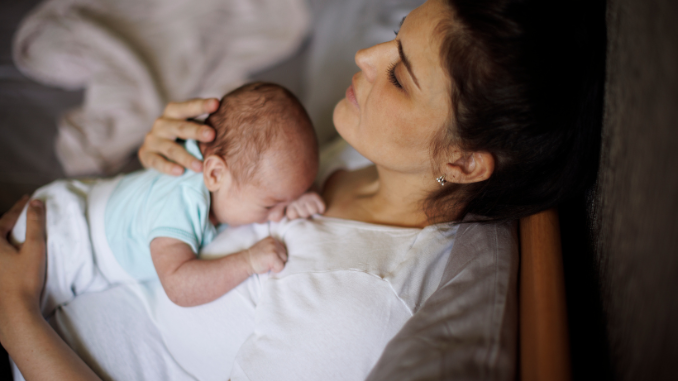
Support from loved ones plays an important role in recovery.
You can help by:
Listening without judgment
Offering practical assistance with meals or childcare
Encouraging medical appointments
Helping with household tasks
Watching for worsening symptoms
Providing reassurance that recovery is possible
Simple acts of kindness can have a meaningful impact.
When Should You Seek Medical Help?
Contact a healthcare provider if symptoms:
Last longer than two weeks
Become more severe
Make it difficult to care for yourself or your baby
Include panic attacks or overwhelming anxiety
Cause thoughts of self-harm or harming your baby
If someone is experiencing thoughts of suicide or harming themselves or their child, seek emergency medical care immediately.
Can Postpartum Depression Be Prevented?
While postpartum depression cannot always be prevented, certain steps may reduce risk:
Attend postpartum follow-up visits
Build a strong support network before delivery
Discuss any history of depression with your healthcare provider
Prioritize rest during recovery
Ask for help when needed
Stay connected with family and friends
Learn the warning signs early
Early recognition remains one of the most effective ways to reduce the impact of postpartum depression.
The Importance of Research
Researchers continue studying postpartum depression to better understand its causes, improve screening methods, develop more effective treatments, and identify ways to support families during the postpartum period.
Clinical research plays an essential role in advancing maternal mental health by helping healthcare professionals discover new approaches that may improve care for future parents.
Final Thoughts
Postpartum depression is more common than many people realize, and it is not a sign of weakness or failure. With early recognition, compassionate support, and appropriate treatment, recovery is possible.
If you or someone you know is experiencing symptoms of postpartum depression, don't wait to seek help. Speaking with a healthcare professional can be the first step toward feeling better and building a healthy future for both parent and child.
Interested in Clinical Research?
At Alliance Research Institute, we are committed to advancing healthcare through clinical research and improving lives by supporting studies that contribute to better treatments and medical understanding. Participation in clinical research helps shape the future of medicine while giving eligible volunteers access to expert care throughout the study process.
Visit our Ongoing clinical Studies to learn more about our current enrolling studies and how clinical research is making a difference.