Understanding Migraine: Symptoms, Causes, Triggers, and Treatment Options

Migraines are more than just severe headaches—they are a complex neurological condition that can significantly affect a person's quality of life. Millions of Americans experience migraines each year, making them one of the leading causes of disability among adults under the age of 50. For some, migraines occur only occasionally. For others, they can become chronic, interfering with work, family life, and everyday activities.
While there is currently no cure for migraines, understanding what causes them, recognizing the warning signs, and finding the right treatment plan can help individuals better manage their condition. Ongoing clinical research is also paving the way for new therapies that may offer hope to people living with frequent or severe migraines.
What Is a Migraine?
A migraine is a neurological disorder characterized by recurring episodes of moderate to severe head pain, often accompanied by additional symptoms such as nausea, sensitivity to light, sound, or smell, and visual disturbances.
Unlike a typical headache, migraines involve changes in the brain and nervous system that affect blood vessels, nerve pathways, and brain chemicals.
Migraine attacks can last anywhere from 4 to 72 hours if left untreated and may occur several times a month or even multiple times a week.
Common Migraine Symptoms
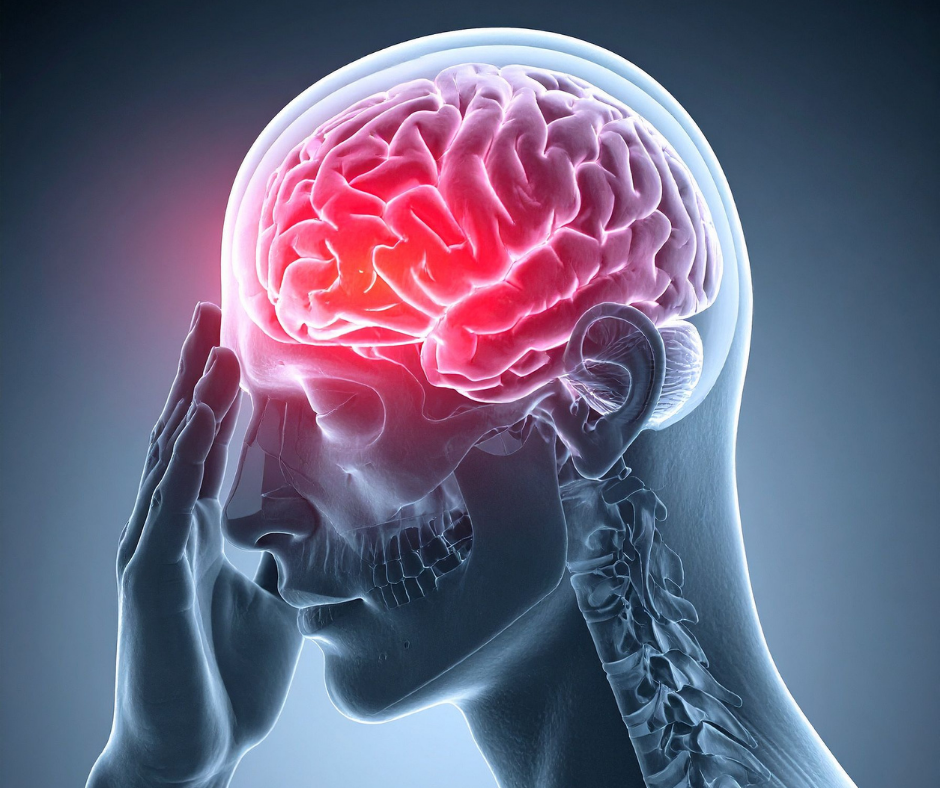
Migraine symptoms can vary from person to person, but many people experience several of the following:
Severe Head Pain
Usually affects one side of the head
Often described as throbbing or pulsating
Can worsen with physical activity
Sensitivity to Light and Sound
Bright lights, loud noises, and even strong odors may become unbearable during an attack.
Nausea and Vomiting
Many migraine sufferers experience stomach discomfort that may interfere with eating or drinking.
Visual Changes (Aura)
About one-third of people experience migraine aura before the headache begins. Symptoms may include:
Flashing lights
Blind spots
Zigzag patterns
Temporary vision loss
Tingling sensations in the face or hands
Difficulty Concentrating
Brain fog, confusion, and difficulty focusing are also common during and after migraines.
The Four Stages of a Migraine
Not everyone experiences every stage, but migraines often develop in four phases.
1. Prodrome
Hours or even days before a migraine begins, warning signs may appear:
Mood changes
Food cravings
Neck stiffness
Fatigue
Frequent yawning
2. Aura
Some individuals experience temporary neurological symptoms, including:
Visual disturbances
Numbness
Difficulty speaking
Tingling sensations
Aura usually lasts between 5 and 60 minutes.
3. Headache Phase
This is the most recognizable stage.
Symptoms include:
Moderate to severe head pain
Nausea
Vomiting
Sensitivity to light
Sensitivity to sound
Sensitivity to smell
4. Postdrome
Often called the "migraine hangover," this recovery phase may include:
Fatigue
Difficulty concentrating
Mild head discomfort
Mood changes
Recovery may take up to 24 hours.
How Clinical Research Is Improving Migraine Care
Migraine treatment has advanced significantly over the past decade thanks to ongoing clinical research. Scientists continue to study new medications, innovative therapies, and personalized treatment approaches designed to reduce migraine frequency and improve quality of life.
Clinical trials play a vital role in evaluating the safety and effectiveness of these potential treatments before they become widely available. Participants in migraine research may contribute to medical advancements while gaining access to investigational therapies under the care of qualified healthcare professionals.
At Alliance Research Institute, we are committed to supporting research that helps improve healthcare for future generations. Clinical trials continue to drive innovation, offering hope for better migraine prevention, faster relief, and improved long-term management.
Final Thoughts
Living with migraines can be physically and emotionally challenging, but effective management is possible. By understanding your triggers, working closely with your healthcare provider, and exploring available treatment options, many people are able to reduce the frequency and severity of migraine attacks.
Medical research continues to expand our understanding of migraines, bringing new treatment possibilities and improving care for millions of people. Staying informed is the first step toward taking control of your health.