Understanding Your Heart Health: Simple Steps to Protect Your Heart
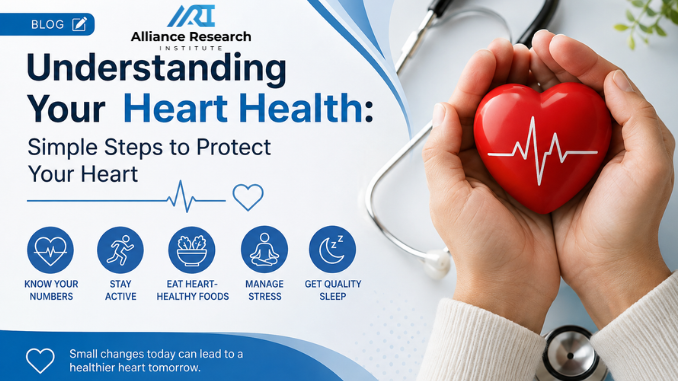
Your heart works around the clock to keep your body functioning, but how often do you stop to think about your heart health? Heart disease remains one of the most important health concerns, and many risk factors can develop without obvious symptoms.
The good news is that understanding your risk factors and making healthy lifestyle choices can help support better heart health. Regular checkups, healthy habits, and staying informed can all play an important role.
What Is Heart Health?
Heart health refers to how well your heart and cardiovascular system are functioning. Your cardiovascular system includes your heart and blood vessels, which work together to deliver oxygen and nutrients throughout your body.
Several factors can affect cardiovascular health, including:
Blood pressure
Cholesterol levels
Blood sugar
Physical activity
Diet
Smoking
Stress
Family history
Age
Some of these factors can be changed through lifestyle choices, while others—such as age and family history—cannot.
Know Your Numbers
One of the easiest ways to become more aware of your heart health is to understand your key health numbers.
1. Blood Pressure
High blood pressure can place extra strain on the heart and blood vessels. Because it often does not cause noticeable symptoms, regular blood pressure checks are important.
2. Cholesterol
Cholesterol is a waxy substance your body needs, but having too much LDL (“bad”) cholesterol can contribute to plaque buildup in the arteries.
Knowing your cholesterol levels can help you and your healthcare provider understand your cardiovascular risk.
3. Blood Sugar
Blood sugar levels can provide important information about metabolic health. Persistently elevated blood sugar may increase the risk of developing type 2 diabetes, which is also associated with cardiovascular complications.
Everyday Habits That Support Heart Health
You don't have to completely change your lifestyle overnight. Small, consistent choices can make a difference.
Choose Heart-Healthy Foods
Try incorporating more vegetables, fruits, whole grains, lean proteins, and fiber-rich foods into your meals. Limiting excessive sodium, added sugars, and saturated fats can also support cardiovascular health.
Stay Physically Active
Regular movement can help support healthy blood pressure, cholesterol, blood sugar, and weight. Find activities you enjoy—walking, cycling, swimming, dancing, or another activity that gets you moving.
Prioritize Quality Sleep
Sleep is an important part of overall wellness. Establishing a consistent sleep schedule and creating a relaxing bedtime routine can help support your overall health.
Manage Stress
Stress is a normal part of life, but ongoing stress can affect your overall well-being. Activities such as walking, breathing exercises, spending time with loved ones, or practicing mindfulness may help you manage everyday stress.
Avoid Smoking
Smoking can damage blood vessels and increase the risk of cardiovascular disease. If you smoke, talk with a healthcare professional about resources that may help you quit.
Don't Wait for Symptoms
One of the most important things to remember about heart health is that some risk factors may not cause noticeable symptoms.
That's why preventive care matters. Routine health screenings can help identify concerns earlier and give you an opportunity to discuss your health with a qualified healthcare professional.
How Clinical Research Helps Advance Heart Health
Clinical research plays an important role in improving our understanding of cardiovascular conditions and developing potential new treatment approaches.
At Alliance Research Institute, clinical studies give eligible participants an opportunity to contribute to medical research. Research studies may focus on a variety of health conditions and evaluate potential treatments, therapies, or approaches.
Participation is voluntary, and eligibility requirements vary from study to study.