Weak Heart Treatment: Approaches to Strengthen Your Heart

A weak heart, medically referred to as heart failure or cardiomyopathy, occurs when the heart cannot pump blood efficiently to meet the body’s needs. This can lead to fatigue, shortness of breath, fluid buildup, and other complications. Understanding weak heart treatment options is essential for improving quality of life and preventing further heart damage.
At Alliance Research Institute, we focus on comprehensive care combining medical therapies, lifestyle modifications, and cutting-edge clinical research to support heart health.
Understanding a Weak Heart
A weak heart can result from various underlying conditions:
Coronary artery disease – narrowed arteries reduce blood supply to the heart
High blood pressure – forces the heart to work harder, weakening its muscles
Heart valve disease – valves that do not open or close properly strain the heart
Previous heart attacks – damage heart muscle and reduce pumping efficiency
Cardiomyopathy – diseases of the heart muscle, either genetic or acquired
Symptoms of a weak heart may include:
Shortness of breath during activity or while lying down
Fatigue and weakness
Swelling in legs, ankles, or abdomen
Irregular heartbeat or palpitations
Persistent cough or wheezing
Early diagnosis and proper treatment can significantly improve outcomes and quality of life.
Medical Treatments for a Weak Heart
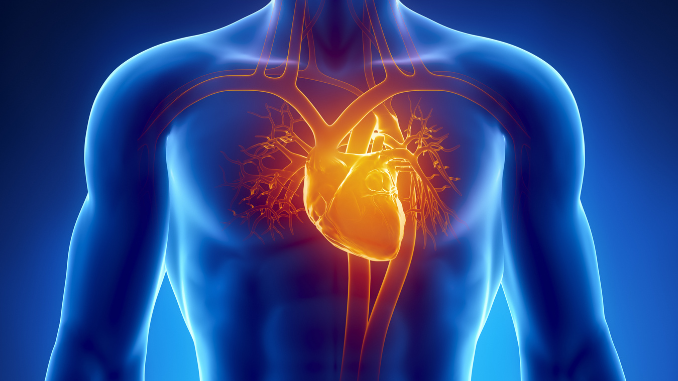
1. Medications
Medications are often the first line of treatment to reduce symptoms and prevent complications:
ACE inhibitors – relax blood vessels and reduce workload on the heart
Beta-blockers – slow the heart rate and lower blood pressure
Diuretics – reduce fluid buildup in the body
Aldosterone antagonists – help control blood pressure and fluid retention
Digitalis – strengthens heart contractions in certain patients
2. Medical Devices
For some patients, devices may help regulate heart rhythm or support heart function:
Pacemakers – correct irregular heart rhythms
Implantable cardioverter-defibrillators (ICDs) – prevent sudden cardiac arrest
Left ventricular assist devices (LVADs) – support the heart in severe cases
3. Surgery
Surgical interventions may be required if medications and devices are insufficient:
Heart valve repair or replacement
Coronary artery bypass surgery
Heart transplant in advanced cases
Lifestyle Modifications for a Weak Heart
Lifestyle changes are crucial in conjunction with medical treatments:
Heart-healthy diet: Reduce salt, saturated fats, and processed foods; increase fruits, vegetables, and whole grains
Regular exercise: Moderate activity tailored to your capacity strengthens the heart and improves circulation
Weight management: Maintaining a healthy weight reduces stress on the heart
Quit smoking and limit alcohol: Both can worsen heart function
Monitor fluid intake: Helps prevent fluid overload in patients with heart failure
Role of Clinical Research
Clinical research is helping redefine weak heart treatment by exploring:
New medications and combination therapies
Innovative devices to support heart function
Regenerative medicine approaches, including stem cell therapy
Personalized treatment strategies based on genetics and lifestyle
At Alliance Research Institute, participation in research can provide access to advanced therapies while contributing to scientific advancements in cardiology.
Managing Symptoms and Monitoring Progress

Regular monitoring is essential to track heart function and adjust treatments:
Daily weight checks to detect fluid retention
Blood pressure and heart rate monitoring
Follow-up echocardiograms to assess heart pumping capacity
Symptom tracking for fatigue, swelling, or shortness of breath
Prompt communication with a healthcare provider ensures timely interventions and prevents complications.
Final Thoughts
A weak heart does not have to mean a life of limitations. With a combination of medical treatments, lifestyle changes, and clinical research, patients can manage symptoms, improve heart function, and lead a healthier life.
At Alliance Research Institute, our comprehensive approach to weak heart treatment focuses on personalized care, patient education, and access to the latest advancements in cardiovascular health.