Men’s Health Matters: Common Health Issues Every Man Should Know About
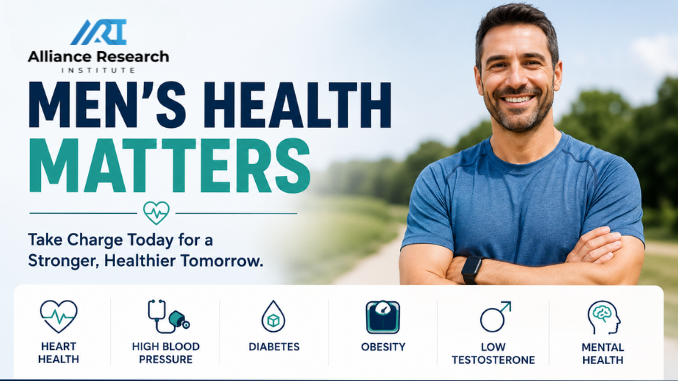
Many men tend to put their health on the back burner, often waiting until symptoms become impossible to ignore before seeking medical care. While staying busy with work, family, and daily responsibilities is understandable, regular health checkups and early detection can make a significant difference in preventing serious illnesses.
From heart disease and diabetes to low testosterone and obesity, many common health conditions develop gradually with few or no early warning signs. Understanding these conditions and taking proactive steps can help men live healthier, longer lives.
Why Men's Health Should Be a Priority

On average, men are less likely than women to schedule routine medical checkups. As a result, preventable diseases may go undiagnosed until they become more difficult to treat.
Regular health screenings can help detect conditions before symptoms appear, allowing for earlier treatment and better outcomes.
1. Heart Disease
Heart disease remains one of the leading causes of death among men worldwide. Several risk factors increase the likelihood of developing cardiovascular disease, including:
High blood pressure
High cholesterol
Smoking
Diabetes
Obesity
Physical inactivity
Family history
Symptoms may include:
Chest pain or pressure
Shortness of breath
Fatigue
Pain in the jaw, neck, shoulder, or arm
Irregular heartbeat
Prevention Tips
Exercise at least 150 minutes per week.
Eat a heart-healthy diet rich in fruits, vegetables, and whole grains.
Avoid smoking.
Maintain a healthy weight.
Monitor blood pressure and cholesterol regularly.
2. High Blood Pressure (Hypertension)
Hypertension is often called the "silent killer" because many people experience no symptoms.
When left untreated, high blood pressure increases the risk of:
Stroke
Heart attack
Kidney disease
Heart failure
Keep your blood pressure under control by:
Reducing sodium intake
Staying physically active
Managing stress
Limiting alcohol
Taking prescribed medications if recommended by your healthcare provider
3. High Cholesterol
High cholesterol causes fatty deposits to build up inside arteries, restricting blood flow and increasing the risk of cardiovascular disease.
Healthy habits include:
Eating foods high in fiber
Choosing healthy fats
Exercising regularly
Maintaining a healthy weight
Getting cholesterol checked routinely
4. Type 2 Diabetes
Millions of adults have diabetes or prediabetes without realizing it.
Early symptoms may include:
Increas your risk by:
Maintaining a healthy weight
Staying active
Eating balanced meals
Monitoring blood sugar if you're at risk
5. Obesity
Obesity increases the risk of numerous chronic conditions, including:
Heart disease
Diabetes
Sleep apnea
Joint pain
Fatty liver disease
Certain cancers
Healthy weight management focuses on sustainable lifestyle changes rather than quick fixes.
6. Low Testosterone
Testosterone naturally declines with age, but some men experience unusually low levels that affect their quality of life.
Symptoms may include:
Low energy
Decreased muscle mass
Reduced sex drive
Mood changes
Difficulty concentrating
Erectile dysfunction
If symptoms persist, consult a healthcare professional for proper evaluation.
7. Fatty Liver Disease
Many individuals with fatty liver disease have no symptoms during the early stages.
Risk factors include:
Obesity
Type 2 diabetes
High cholesterol
Metabolic syndrome
Lifestyle improvements such as healthy eating, regular exercise, and weight loss can significantly improve liver health.
8. Lower Back Pain
Lower back pain affects millions of adults and is one of the leading causes of disability.
Common causes include:
Poor posture
Muscle strain
Sedentary lifestyle
Heavy lifting
Excess body weight
Stretching, strengthening exercises, proper ergonomics, and maintaining a healthy weight can help reduce back pain.
Mental Health Is Health Too

Men often hesitate to discuss mental health, yet conditions like anxiety, depression, and chronic stress are incredibly common.
Warning signs include:
Persistent sadness
Irritability
Loss of interest in activities
Sleep problems
Difficulty concentrating
Feeling overwhelmed
Seeking professional support is a sign of strength—not weakness.
Healthy Habits Every Man Should Practice
Small daily choices can have a lasting impact on long-term health.
Eat a balanced diet.
Stay physically active.
Get 7–9 hours of sleep.
Avoid tobacco products.
Limit alcohol consumption.
Manage stress effectively.
Stay up to date on recommended health screenings.
Know your family medical history.
Schedule regular medical checkups.
The Importance of Clinical Research
Clinical research plays an essential role in developing new treatments, improving medical care, and advancing healthcare for future generations. Volunteers who participate in clinical studies help researchers better understand diseases and evaluate promising therapies that may improve patient outcomes.
Clinical trials continue to shape the future of medicine while providing opportunities for eligible participants to contribute to scientific advancement.
Alliance Research Institute Is Advancing Better Healthcare
At Alliance Research Institute, we are committed to advancing medicine through innovative clinical research while helping connect qualified volunteers with studies focused on a variety of health conditions, including:
High Blood Pressure (Hypertension)
High Cholesterol
Low Testosterone
Obesity
Type 2 Diabetes
Fatty Liver Disease
Healthy Volunteer Studies
And many other ongoing clinical research opportunities.
If you may qualify for one of our studies, your participation could help advance future medical treatments while receiving study-related care at no cost.
Final Thoughts
Taking charge of your health doesn't require drastic changes—it starts with consistent, informed decisions. Routine screenings, healthy habits, and early intervention can reduce the risk of many common health conditions and improve overall quality of life.
Whether you're focusing on prevention or managing an existing condition, staying informed is one of the most powerful steps you can take toward better health.