Understanding Hypertension: Causes, Symptoms, Treatment, and Prevention
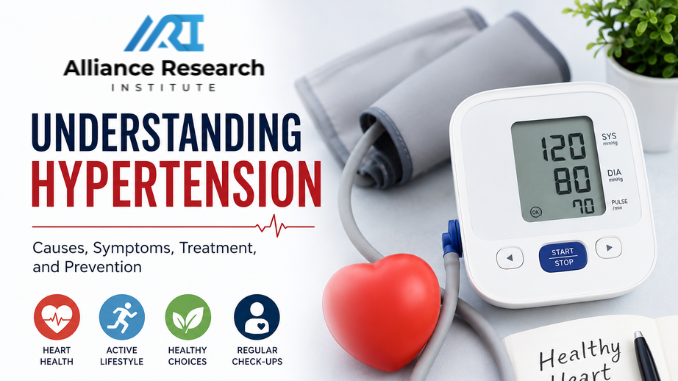
High blood pressure, also known as hypertension, is often called the "silent killer" because it typically develops without noticeable symptoms. Despite its lack of warning signs, uncontrolled hypertension can significantly increase the risk of heart disease, stroke, kidney disease, and other serious health conditions.
The good news is that hypertension can often be prevented or managed with healthy lifestyle choices, proper medical care, and ongoing research that continues to improve treatment options.
What Is Hypertension?
Hypertension occurs when the force of blood pushing against your artery walls remains consistently too high. Over time, this extra pressure damages blood vessels and forces the heart to work harder than normal.
Blood pressure is measured using two numbers:
Systolic pressure: The top number, measuring pressure when the heart beats.
Diastolic pressure: The bottom number, measuring pressure when the heart rests between beats.
According to current guidelines:
Normal: Less than 120/80 mmHg
Elevated: 120–129/<80 mmHg
Stage 1 Hypertension: 130–139/80–89 mmHg
Stage 2 Hypertension: 140/90 mmHg or higher
Common Causes of High Blood Pressure
Many factors contribute to hypertension. Some are beyond your control, while others can be improved through lifestyle changes.
Common risk factors include:
Family history
Aging
Being overweight or obese
Lack of physical activity
Smoking or tobacco use
Excessive alcohol consumption
High sodium intake
Chronic stress
Diabetes
Kidney disease
High cholesterol
Often, several of these factors work together to increase blood pressure over time.
Symptoms of Hypertension
One of the biggest challenges with hypertension is that many people experience no symptoms at all.
When blood pressure becomes dangerously high, symptoms may include:
Severe headaches
Blurred vision
Chest pain
Shortness of breath
Dizziness
Nosebleeds
Fatigue
Irregular heartbeat
Because symptoms often appear only after damage has occurred, regular blood pressure screening is essential.
Why High Blood Pressure Is Dangerous
When left untreated, hypertension can damage nearly every organ in the body.
Potential complications include:
Heart attack
Stroke
Heart failure
Kidney failure
Vision loss
Peripheral artery disease
Cognitive decline and dementia
Managing blood pressure early greatly reduces these risks.
How Hypertension Is Diagnosed
Healthcare providers diagnose hypertension by measuring blood pressure during multiple visits or using home monitoring devices.
Additional tests may include:
Blood tests
Urine tests
Electrocardiogram (ECG)
Echocardiogram
Kidney function tests
Cholesterol screening
These evaluations help identify possible causes and detect complications.
Treatment Options
Treatment depends on your blood pressure level and overall health.
Lifestyle improvements are often the first recommendation:
Eat a Heart-Healthy Diet
Focus on:
Fruits
Vegetables
Whole grains
Lean proteins
Low-fat dairy
Healthy fats
Limiting processed foods and reducing sodium intake can significantly lower blood pressure.
Stay Physically Active
Aim for at least 150 minutes of moderate exercise each week, such as:
Walking
Cycling
Swimming
Dancing
Even small increases in daily activity can make a difference.
Maintain a Healthy Weight
Losing even a modest amount of weight may improve blood pressure and reduce cardiovascular risk.
Reduce Stress
Healthy stress management techniques include:
Meditation
Deep breathing
Yoga
Quality sleep
Spending time with family and friends
Take Medications as Prescribed
If lifestyle changes alone aren't enough, your healthcare provider may prescribe medications such as:
ACE inhibitors
ARBs
Calcium channel blockers
Diuretics
Beta-blockers
Never stop taking medication without consulting your healthcare provider.
Preventing High Blood Pressure
Healthy habits can help lower your risk of developing hypertension.
Try to:
Monitor your blood pressure regularly
Eat nutritious meals
Exercise consistently
Avoid smoking
Limit alcohol intake
Get enough sleep
Manage stress
Keep regular healthcare appointments
Small daily choices often lead to long-term health benefits.
The Role of Clinical Research
Medical research continues to improve our understanding of hypertension and develop new treatment options.
Clinical trials help researchers evaluate new medications, therapies, and prevention strategies that may improve outcomes for people living with high blood pressure. By participating in clinical research, eligible volunteers contribute to future medical advances while gaining access to study-related care.
Alliance Research Institute: Advancing Better Heart Health
At Alliance Research Institute, we are committed to supporting medical research that helps improve the prevention and treatment of hypertension and other chronic health conditions. Through carefully conducted clinical studies, participants have the opportunity to contribute to research that may shape the future of healthcare.
If you or someone you know is interested in learning more about clinical research opportunities, our team is here to help determine eligibility and answer any questions.
Final Thoughts
Hypertension may be silent, but its impact can be life-changing if left untreated. Regular blood pressure checks, healthy lifestyle choices, and following your healthcare provider's recommendations are the best ways to protect your heart and overall health.
As research continues to advance, new treatments and prevention strategies offer hope for improving the lives of millions living with high blood pressure. Staying informed and proactive today can help you enjoy a healthier tomorrow.